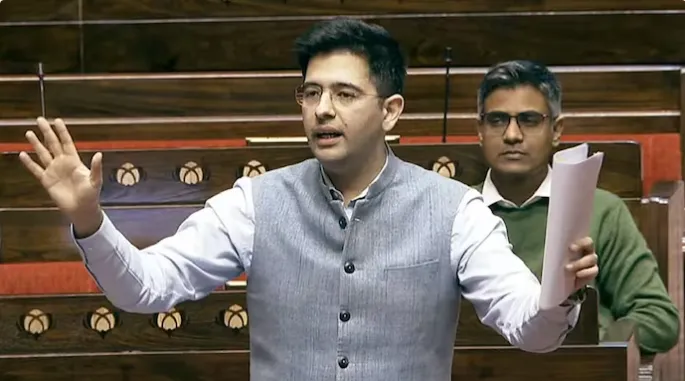
Forget the 7% GDP chatter for a second. The truly salient data point, the one that should make policymakers clutch their collective pearls, is this: why is India simultaneously boasting world-beating growth statistics while youth unemployment refuses to budge from its debilitating perch? This gaping disconnect, this vast epistemic gap between the spreadsheets and the street, is precisely what makes Raghav Chadha’s budget speech breaks down the good, the bad, and the way forward for the Indian economy such a compulsory read—or rather, a must-listen for anyone who pays taxes and buys groceries. I’m telling you, Chadha didn't just review the budget; he held a mirror up to the entire economic approach and asked, quite loudly, if we were satisfied with the reflection.
Well, here's the thing. When you strip away the celebratory rhetoric surrounding capital expenditure, what are you left with? You’re left with rampant inflation that systematically eats into the savings of the middle class and destroys any hope of sustained, broad-based consumption. The good news, as Chadha acknowledges, is that the fiscal consolidation pathway is generally intact. The bad news? That adherence seems to come at the expense of crucial social sector spending—a classic case of penny wise, pound foolish, if you ask me.
The Great Indian Consumption Conundrum
The opposition’s critique, voiced eloquently through Chadha’s analysis, wasn't merely aimed at the numbers; it targeted the philosophy underpinning this high-growth model. They contend that the government is confusing expansion with genuine development. We are accelerating down the infrastructure highway, sure, but if the ordinary commuter doesn’t have enough petrol money, what’s the actual utility?
It’s economic expansion, yes, but it’s the sort that resembles a vintage automobile with a souped-up engine and luxurious upholstery—only to realize the wheels are missing. Lots of shine, zero traction for the masses. This expenditure sclerosis means investment is flowing into high-return, often centralized projects, while the immediate, decentralized needs of the populace—health, education, and immediate job creation—are starved. Are we truly comfortable sacrificing widespread consumption just to keep the foreign investors mildly amused?
Raghav Chadha’s budget speech breaks down the good, the bad, and the way forward for the Indian economy: The Job Crisis
The core vulnerability discussed in the speech isn't external debt; it’s internal despair. We’ve reached a point where the youth are increasingly detached from the formal job market. The focus on Production-Linked Incentive (PLI) schemes, while promising in theory, hasn’t translated into the mass employment required to absorb the demographic dividend. It’s a quixotic pursuit of global manufacturing dominance without stabilizing the domestic employment floor first.
Chadha pointed out three non-negotiables for correcting course:
- Stabilizing Prices: Aggressive measures against food and fuel inflation must precede any growth targets. You can’t talk about aspirational India when the kitchen budget is collapsing.
- MSME Revival: The small and medium sector, the actual engine of job creation, remains stressed. Credit flow needs unblocking, and compliance burdens need serious pruning.
- Targeted Social Investment: Boost spending in areas that lift the bottom 50% immediately, thereby widening the consumption base for sustainable growth.
Let's be honest about this. The budget presented a meticulously constructed narrative of fiscal responsibility, but when you run that narrative through the filter of daily life—through the soaring costs of rent and the desperate applications for government exams—it begins to fray. Chadha’s analysis highlights the critical need to realign economic priorities so that the promised growth feels tangible, not theoretical. After all, if the populace isn't feeling the benefit, is it really 'good' growth?
The overall verdict of Raghav Chadha’s budget speech breaks down the good, the bad, and the way forward for the Indian economy is a stark, unavoidable truth: India needs a job-first, inflation-second approach, not the other way around. Ignoring the ground reality might deliver a high GDP number for a quarter, but trust me, it’s a deeply unsustainable economic path that eventually craters under its own imbalance.
We’ve heard the optimism, now we need the realism. And realism is exactly what Raghav Chadha’s budget speech breaks down the good, the bad, and the way forward for the Indian economy delivers.